
[ad_1]
<p>Plus, magnesium is a key nutrient that may help reduce the risk of heart disease, stroke, high blood pressure, type 2 diabetes, and osteoporosis, says <a href=”https://weheal.health/physicians-and-coaches/” target=”_blank”>Alona Pulde, MD</a>, a board-certified family medicine physician and chief executive officer and co-founder at <a href=”https://weheal.health” target=”_blank”>WeHeal</a>. Another bonus? Magnesium has been shown to support mood and <a href=”https://www.womenshealthmag.com/health/a43623464/higher-magnesium-dose-lowers-dementia-risk-study/” target=”_blank”>brain function</a> and low levels of the mineral have been linked to anxiety and depression, she adds.</p><p>Okay, but how much magnesium do you actually need? Most female adults need 310 to 320 mg a day, while men need 400 to 420 mg per day, says Dr. Pulde. Luckily, most people can get the recommended intake by eating magnesium-rich foods like legumes, nuts, seeds, quinoa, oatmeal, spinach, kale, and avocado, she says.</p><p>However, it is possible to have a magnesium deficiency, says Dr. Pulde, noting that this can be diagnosed by your doc via a full work-up and blood test to check your levels.</p><p class=”body-tip”><strong>Meet the experts:</strong> <br><br><a href=”https://www.instagram.com/the.intuitive.nutritionist/” target=”_blank”>Jenn Baswick, RD</a>, is a registered dietitian and founder of <a href=”http://theintuitivenutritionist.com” target=”_blank”>The Intuitive Nutritionist</a>. <br><br><a href=”https://virtualnutritionexperts.com/about/” target=”_blank”>Lisa Moskovitz, RD</a>, is a registered dietitian and the CEO of <a href=”https://virtualnutritionexperts.com” target=”_blank”>Virtual Nutrition Experts</a> and author of <em>The Core 3 Healthy Eating Plan</em>. <br><br><a href=”https://weheal.health/physicians-and-coaches/” target=”_blank”>Alona Pulde, MD</a>, is a board-certified family medicine physician and chief executive officer and co-founder at <a href=”https://weheal.health” target=”_blank”>WeHeal</a>.</p><h2 class=”body-h2″>Who needs a magnesium supplement?</h2><p>It’s always best to talk with your doctor before taking any and all supplements since they are not regulated by the U.S. Food & Drug Administration (FDA). “I recommend eating a daily diet that includes magnesium-rich foods, and only take a supplement if directed by your physician to correct a deficiency,” says Dr. Pulde. </p><p>However, <a href=”https://www.ncbi.nlm.nih.gov/books/NBK500003/#:~:text=Hypomagnesemia%20is%20an%20electrolyte%20disturbance,renal%20losses%2C%20and%20other%20conditions.” target=”_blank”>research</a> has found 2.5 to 15 percent of Americans experience magnesium deficiency with rates even higher in those with diabetes or alcohol use disorder. “This could likely be because the typical Western diet is not very abundant with magnesium-rich foods,” says <a href=”https://www.instagram.com/the.intuitive.nutritionist/” target=”_blank”>Jenn Baswick, RD</a>, a registered dietitian and founder of <a href=”http://theintuitivenutritionist.com” target=”_blank”>The Intuitive Nutritionist</a>. </p><p>So, if you experience a loss of appetite, <a href=”https://www.womenshealthmag.com/health/a19912535/reasons-vitamins-cause-nausea/” target=”_blank”>nausea</a>, vomiting, fatigue, weakness, and/or numbness in your limbs, talk with your doctor about a magnesium supplement because you may be deficient, says Dr. Pulde. If a healthcare provider gives the thumbs up, they can guide you on proper dosing depending on your needs.</p><h2 class=”body-h2″>What are the different types of magnesium supplements? </h2><p>Not all magnesium supplements are created equally, and different types target specific conditions, says Moskovitz. “Magnesium glycinate is beneficial for promoting better sleep, mood stability, and blood sugar regulation, while magnesium citrate and chloride are more effective at <a href=”https://www.womenshealthmag.com/health/a19984082/how-to-make-yourself-poop/” target=”_blank”>fighting constipation</a>,” she explains.</p><p>It’s also important to take into consideration how well a magnesium supplement absorbs in your body, says Dr. Pulde. The most easily absorbed forms are magnesium aspartate, magnesium citrate, magnesium lactate, and magnesium chloride, she says. Magnesium citrate and chloride are also typically in a liquid form, which means they are better absorbed than tablets like magnesium oxide and sulfate, she adds. (Side note: there are other forms of magnesium but the above are most relevant, per Dr. Pulde.)</p><h2 class=”body-h2″>How and when should you take a magnesium supplement?</h2><p>The key is to take your magnesium supplements with meals, and at the same time each day, says Dr. Pulde. Whether you take them with breakfast or dinner is up to you. On top of that, it’s best to take magnesium supplements at least two hours apart from other medications to avoid digestive upset, says Baswick. In particular, magnesium supplements can negatively interact with certain antibiotics, high blood pressure medications, antacids, and laxatives, by affecting their absorption and efficacy, adds Dr. Pulde. Always talk with your doctor to determine what’s best for you. </p><h2 class=”body-h2″>The 9 Best Magnesium Supplements </h2>” />
Women’s Health may earn commission from the links on this page, but we only feature products we believe in. Why Trust Us?
1
Best Overall Magnesium Supplement
Nature Made Magnesium Glycinate
1
Best Overall Magnesium Supplement
Nature Made Magnesium Glycinate
Now 23% Off
Pros
- No artificial flavors
- Gluten free

Cons
- Users report larger capsules may be difficult to swallow

If you’re looking for an easily digestible magnesium supp, Baswick suggests Nature Made magnesium glycinate. It’s gentle on the stomach while scoring high in absorption to support muscle relaxation, bone health, heart health, and nerve health.
2
Best Magnesium Supplement Power
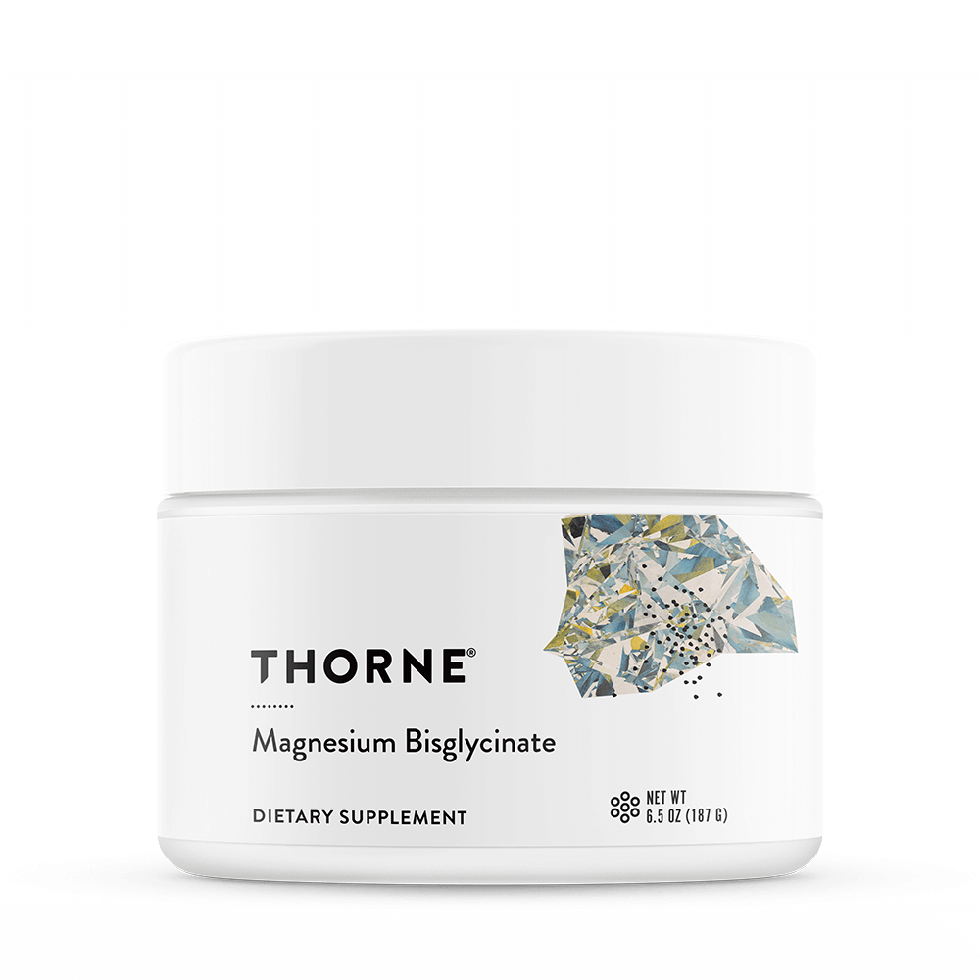
Thorne Magnesium Bisglycinate
2
Best Magnesium Supplement Power
Thorne Magnesium Bisglycinate
Pros
- Third-party tested (NSF)
- No artificial ingredients
Cons
- Pricey compared to others on this list
“Many of my clients struggle with swallowing pills on a daily basis, and this powder form of magnesium is not only easily digested and absorbed by the body, but it can also be mixed in with water, milk, juice, or any liquid of choice to make it go down smoother,” says Moskovitz. The lightly sweetened powder is also perfect for a pre-bedtime drink to purportedly help relax your muscles and support a healthy heart, brain, and lungs.
3
Best Magnesium Supplement For Your Immune System
Nature Made Magnesium Complex with Vitamin D and Zinc

3
Best Magnesium Supplement For Your Immune System
Nature Made Magnesium Complex with Vitamin D and Zinc
Pros
- Gluten free
- No artificial flavors
Cons
- Users report larger capsules may be difficult to swallow
“This cocktail of essential nutrients contains a variety of types of magnesium that can target everything from digestion to blood sugar balance,” says Moskovitz. Plus, the addition of vitamin D and zinc make it beneficial for your immune system, bone health, and fighting inflammation, she adds.
4
Best Budget Magnesium Supplement
NOW Magnesium Caps

4
Best Budget Magnesium Supplement
NOW Magnesium Caps
Now 45% Off
Pros
- Unflavored
- Vegan
Cons
- May be too high of a dose for some
The NOW magnesium caps contain multiple forms of magnesium which may help with absorption, says Baswick. One capsule also gives you the full dose and each bottle is non-GMO certified, vegan, kosher, and keto-friendly.
5
Best Magnesium Supplement For Relaxation
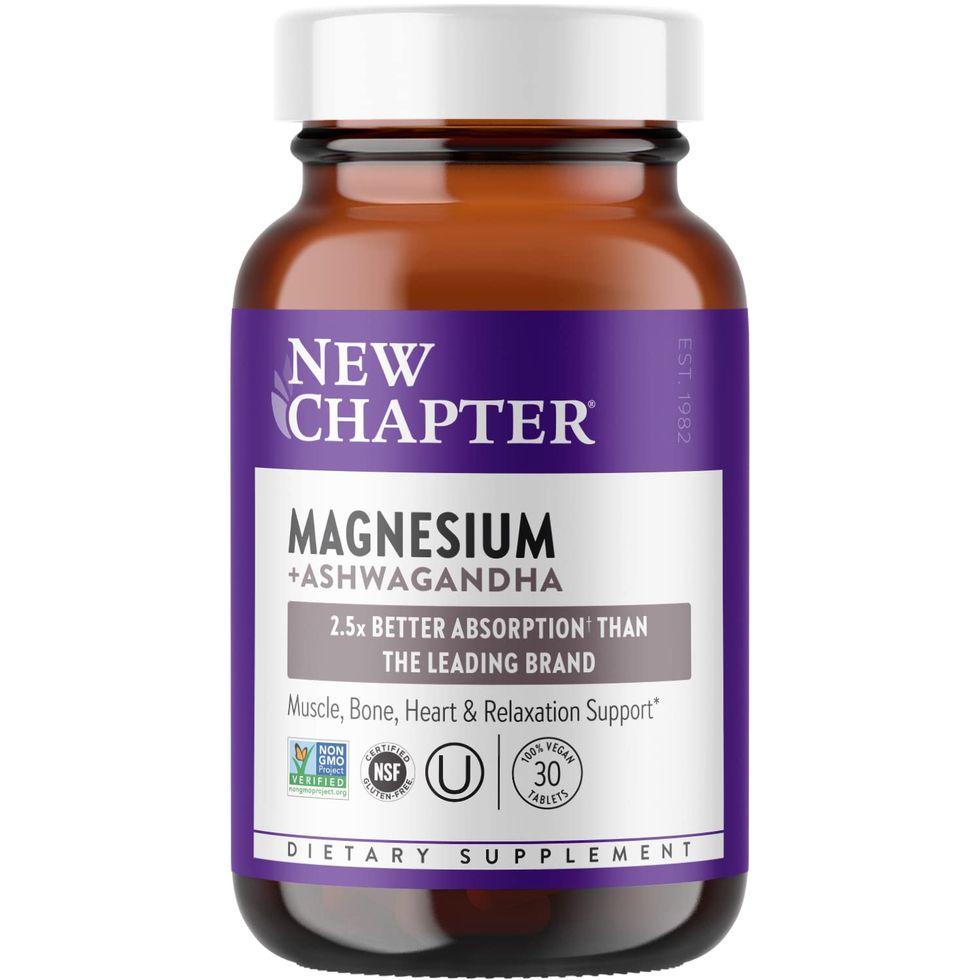
New Chapter Magnesium + Ashwagandha Supplement
5
Best Magnesium Supplement For Relaxation
New Chapter Magnesium + Ashwagandha Supplement
Now 36% Off
Pros
- Third-party tested (NSF)
- No artificial colors or flavors
Cons
- Contains several extra ingredients
New Chapter is regulated and stamped with NSF third-party approval and this combination of magnesium and ashwagandha (an adaptogen that targets the body’s natural stress response) can help with calming your mind and body, says Moskovitz. The formula is also easy to absorb and digest in the body, she adds.
6
Best Higher Dose Magnesium Supplement
AvalonX Magnesium 8

6
Best Higher Dose Magnesium Supplement
AvalonX Magnesium 8
Pros
- No artificial colors or flavors
- Vegan
Cons
- May be too high a dose for some
If you’re looking for a higher dosage based on your doctor’s recommendation, these AvalonX supplements contain eight different forms of magnesium. They’re also quadruple lab tested and manufactured and regulated in a certified facility which Moskovitz says is key. For an added bonus, the glass packaging is also sustainable.
7
Best Magnesium Supplement Gummy
Trace Minerals Magnesium Gummies

7
Best Magnesium Supplement Gummy
Trace Minerals Magnesium Gummies
Now 27% Off
Pros
- Sweet citrus taste, according to reviews
- Vegan
Cons
- Contains 1.5 grams of sugar
If you’re looking for a chewable supplement, Baswick gives the thumbs-up to Trace Minerals magnesium gummies. The flavorful gummies are also third-party tested, and an easy travel alternative compared to powders. Just be mindful that the gummies do contain inulin, which is a prebiotic that may not be as digestible for those with stomach troubles or irritable bowel syndrome, she adds.
8
Best Magnesium Supplement Liquid Drops
Trace Minerals Mega-Mag 400 mg Liquid Magnesium Chloride

8
Best Magnesium Supplement Liquid Drops
Trace Minerals Mega-Mag 400 mg Liquid Magnesium Chloride
Pros
- BPA Free
- Contains no known allergens
Cons
- Strong flavor according to reviewers
This supplement comes in a liquid form so it’s perfect for on-the-go or tossing in water, juice, or smoothies, says Baswick. Each serving is also free of artificial ingredients and dded sugars.
9
Best Magnesium Supplement For Focus
Life Extension Neuro-mag Magnesium L-threonate

9
Best Magnesium Supplement For Focus
Life Extension Neuro-mag Magnesium L-threonate
Now 31% Off
Pros
- Vegetarian
- easily absorbed in the body
Cons
- A single dose involves three capsules
This form of magnesium is easily and well absorbed in the body, says Baswick. The gluten-free and non-GMO capsules are also vegetarian and uniquely designed for memory, focus, and cognition, according to the company, which makes them a great addition to your daily routine– of course, with your doc’s approval!
How Our Team Chose The Best Magnesium Supplements

Women’s Health editors, including writer Andi Breitowich, researched the bestselling, most popular, and top-rated magnesium supplements. Our team consulted Jenn Baswick, RD, Lisa Moskovitz, RD, and Alona Pulde, MD, and then evaluated thousands of customer reviews and ratings to narrow down the best nine items for a wide range of needs and preferences.
What are the side effects of magnesium supplements?

Side effects are typically minimal, but if taken on an empty stomach, digestive upset, cramping, nausea, and diarrhea are possible, says Baswick. However, choosing the more well-absorbed forms of magnesium supplements may help to prevent symptoms, she adds.
How do you know if a magnesium supplement is legit?

It’s always best to talk with your doctor and let them advise you based on your specific needs, says Dr. Pulde. However, if purchasing over-the-counter supplements, do your homework and buy a reputable brand with ingredient transparency and third-party testing, she adds. To make it easier, Moskovitz recommends looking for a Consumer Lab, USP, or NSF seal on the supplement bottle to indicate third-party testing.
Can you take too much magnesium?

“Consuming magnesium-rich foods should never cause any problems, but it is absolutely possible to overdo it with supplement use,” says Baswick. “It’s always important to consume supplements under the tolerable upper intake limit, which in this case is 350 mg for magnesium (unless directed by a doctor), because if someone were to take an excessive amount of magnesium supplements it could cause diarrhea, nausea, or abdominal pain,” she explains. In extreme cases, magnesium toxicity can cause more severe symptoms such as muscle weakness, difficulty breathing, or cardiac arrest, she adds.
Is Epsom salt a magnesium supplement?

Epsom salt (also known as magnesium sulfate) may raise magnesium levels in the body when added to a bath, though it may be a less efficient way to increase your magnesium levels, says Dr. Pulde. In fact, according to the Cleveland Clinic, there are no definitive studies showing that magnesium can be absorbed through your skin in sufficient amounts to address deficiencies. Anecdotally, an Epsom salt bath may relieve stress, muscle pain, or inflammation.
Andi Breitowich is a Chicago-based writer and graduate student at Northwestern Medill. She’s a mass consumer of social media and cares about women’s rights, holistic wellness, and non-stigmatizing reproductive care. As a former collegiate pole vaulter, she has a love for all things fitness and is currently obsessed with Peloton Tread workouts and hot yoga.
Advertisement – Continue Reading Below
Advertisement – Continue Reading Below
[ad_2]
Source link